Understanding Cognitive Load Theory
Optimizing Your Tech Experience

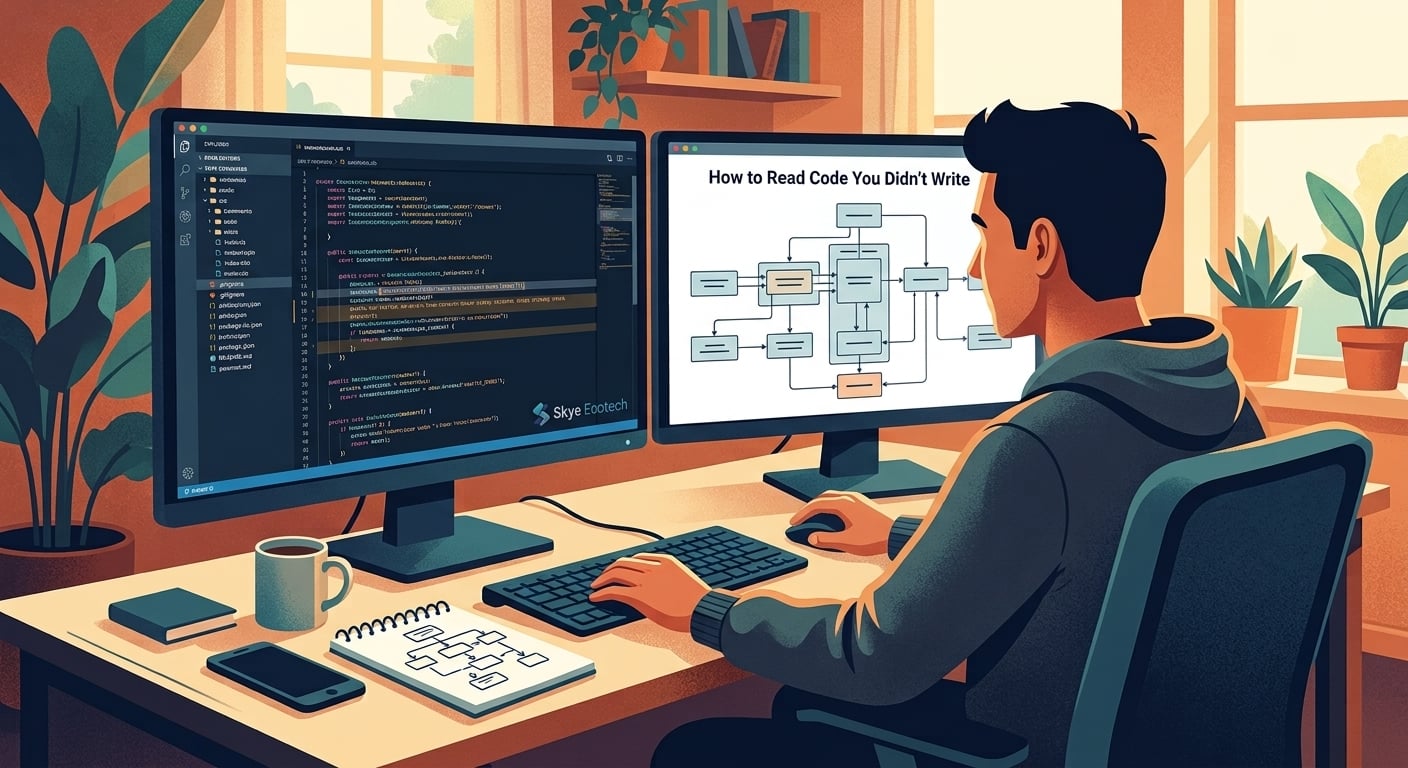
In our fast-paced, technology-driven world, we often find ourselves relying on various tools and interfaces—from smartphones to office software. But have you ever felt overwhelmed when trying to navigate a new app or software? This experience can often be attributed to a concept known as Cognitive Load Theory (CLT). For everyday tech users like students and office workers, understanding this theory can help in making our interactions with technology more efficient and less stressful.
Cognitive Load Theory argues that the human brain has a limited capacity for processing new information. When we learn or use new technology, there are three types of cognitive load to consider: Extraneous Load, Intrinsic Load, and Germane Load. The key is to reduce the Extraneous Load so we have more bandwidth available for the tasks at hand.
Extraneous Load refers to the unnecessary mental effort we exert when trying to understand an interface. For instance, if you open a new app and struggle for several minutes to locate a critical feature—perhaps a button that initiates a task—you’re expending energy on navigation rather than on the task itself. This wasted energy can be quite frustrating and can detract from your overall productivity. Designers are keenly aware of this issue, which is why much emphasis is placed on creating intuitive user interfaces.
By minimizing Extraneous Load through effective design strategies—like clear labeling, straightforward navigation and familiar layouts—users can more quickly identify the tools and features they need. This allows them to focus their cognitive resources on the Intintrinsic Load, the actual work or learning involved in completing a task.
Intrinsic Load is the effort required to engage with the task itself. For example, if you're working on a complex project for school or at your job, the mental work involved in research, analysis or problem-solving represents your Intrinsic Load. Ideally, the interface should support this learning and task completion rather than hinder it.
The ultimate goal of well-designed human-computer interaction (HCI) is to maximize what is known as Germane Load. This is the mental effort dedicated to processing information and ultimately, facilitating learning. When the interface works seamlessly, users can absorb and consolidate new knowledge without being bogged down by unnecessary complexities or distractions. For students, this means better retention of information and for office workers, a more efficient workflow.
To illustrate how you can apply this in your daily tech interactions, consider the applications and tools you use frequently. Are they easy to navigate? Are the functions you need visible and clear? If you find that you often struggle to accomplish tasks due to poor design, it may be time to seek out alternatives that prioritize user-friendly interfaces, which can ultimately improve your productivity and reduce frustration.
In summary, understanding Cognitive Load Theory can empower everyday tech users to navigate their interfaces with greater ease. By recognizing the importance of minimizing extraneous cognitive load and maximizing germane load, you can enhance your efficiency and focus on what truly matters—accomplishing your tasks and learning from your experiences. Embrace tools that support your cognitive process and you may find that your interactions with technology become not only less stressful but also more rewarding.
About the author
- Founder of Skye | BSc Informatics student at UNISA. Dedicated to pioneering sustainable technology and building the next generation of eco-conscious computing. Combining a passion for development with a mission to change the tech landscape.
Comments
Join the discussionNo comments yet. Be the first to comment.
HCI & Sustainability
The HCI & Sustainability Series on Skye Ecotech is a technical but accessible exploration of how the way we design and interact with technology affects the physical world. Instead of viewing "Green Tech" as just hardware or renewable energy, this series dives into the Informatics side—analyzing how user interface (UI) choices, backend logic and digital habits impact energy consumption and the UN Sustainable Development Goals (SDGs).